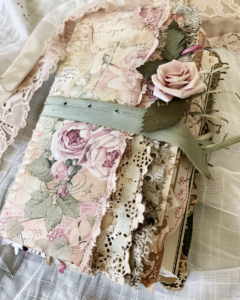
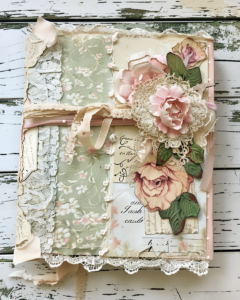
 If you’ve been captivated by the soft vintage charm of layered papers, lace, florals, and old-world ephemera, then junk journaling may be the perfect creative hobby for you. Whether you want to preserve memories, create handmade gifts, or simply enjoy a relaxing craft, junk journaling is one of the most rewarding paper arts to explore.
In this beginner’s guide, you’ll learn everything you need to get started with junk journaling, from essential supplies and basic techniques to simple first-project ideas.
What Is a Junk Journal?
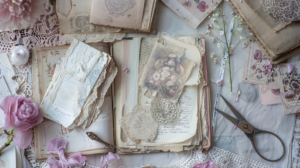
A junk journal is a handmade journal created using a mix of recycled, vintage-inspired, and decorative materials. Despite the word junk, these journals are often beautifully curated and full of character.
Common materials include:
- old book pages
- scrapbook paper
- envelopes
- receipts
- tags
- lace and ribbon
- printable ephemera
- vintage photos
- tea-dyed papers
Each journal is unique and can be used for:
- journaling
- memory keeping
- scrapbooking
- creative writing
- art journaling
- gifting
One of the best things about junk journaling is that there are no strict rules—your creativity leads the way.
Essential Supplies for Beginner Junk Journaling
You do not need expensive supplies to begin. In fact, many of the best materials are things you may already have at home.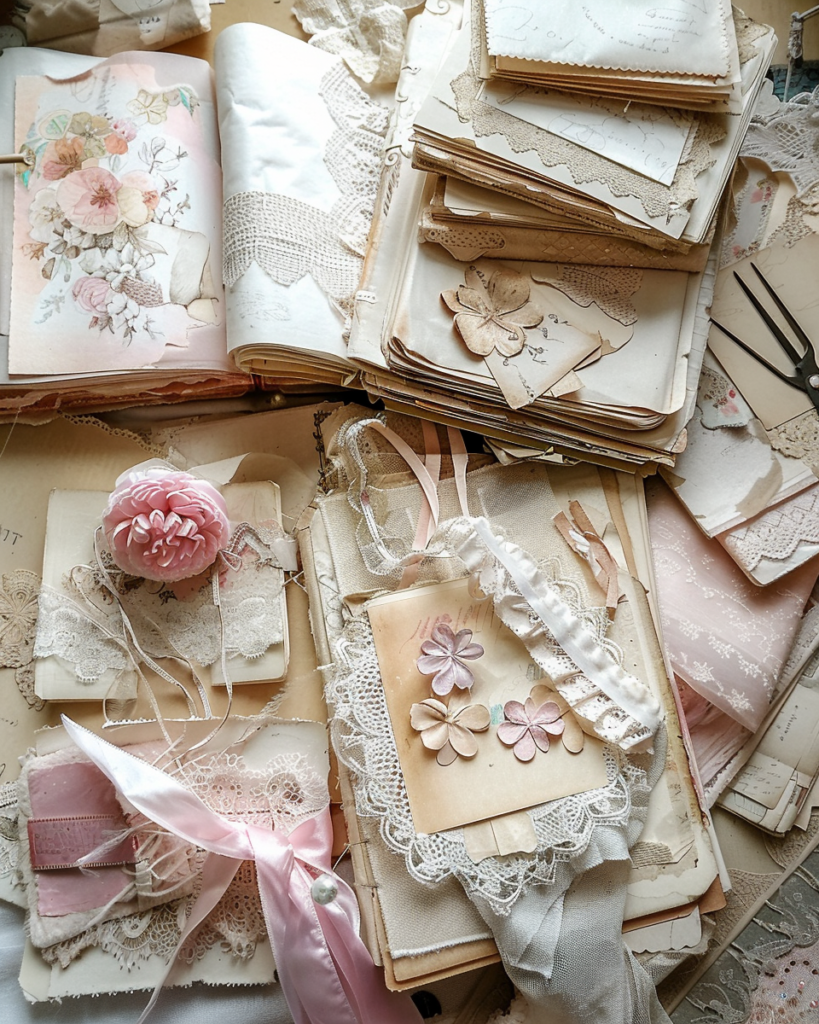
Basic Paper Supplies
Start with a variety of papers in different textures and weights.
Good beginner choices:
- printer paper
- cardstock
- scrapbook paper
- old book pages
- music sheets
- ledger paper
- kraft paper
- vellum
- tea-dyed paper
Printable digital kits are also excellent for beginners because everything coordinates beautifully.
Must-Have Tools
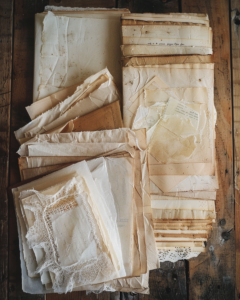 Here are the basic tools I recommend for getting started:
- scissors
- craft knife / X-Acto knife
- cutting mat
- ruler
- glue stick
- tacky glue
- double-sided tape
- paper trimmer
- hole punch
- stapler
- corner rounder
Optional but very helpful:
- distress ink
- ink blending tool
- stamps
- embossing folder
- sewing machine
Decorative Embellishments
This is where the magic happens.
Some lovely embellishments for a shabby chic or vintage style include: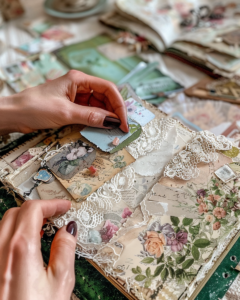
- lace trims
- ribbons
- buttons
- pearls
- fabric scraps
- doilies
- wax seals
- floral cutouts
- vintage labels
- tickets and tags
- stickers
- washi tape
Layering these elements gives your pages depth and softness.
Beginner Techniques to Learn First
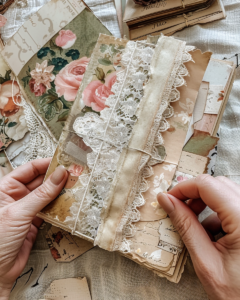 You don’t need to master everything at once.
Start with these easy techniques:
1.Layering
Layer papers, lace, and embellishments to create dimension.
Example:
book page + floral paper + lace + label + button
2. Distressing
Use distress ink or gently tear edges to create a worn vintage look.
This is especially beautiful in shabby chic junk journals.
3. Pocket Making
Simple pockets are perfect for beginners.
Use:
- envelopes
- folded paper
- library pockets
- corner tucks
These can hold tags and journaling cards.
4. Tea or Coffee Dying
A favorite beginner technique.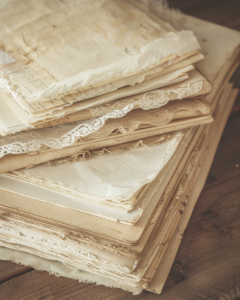
Stain plain paper to make it look antique and timeworn.
Easy First Junk Journal Project Ideas
If you’re just starting, keep it simple.
Try one of these:
Mini Journal
A small 4–6 page booklet
Single Signature Journal
A basic stitched journal with folded pages
Envelope Journal
A journal made from layered envelopes
Perfect if you want a polished result quickly
This is one of the easiest ways to begin.
Common Beginner Mistakes to Avoid
 Overcrowding Pages
Leave some breathing room.
Too many layers can overwhelm the design.
Using Too Much Glue
A little goes a long way.
Excess glue can wrinkle paper.
Ignoring a Color Palette
Pick 3–5 coordinating colors.
For shabby chic:
- cream
- blush pink
- dusty rose
- sage
- soft beige
Starting Too Big
Your first journal does not need 100 pages.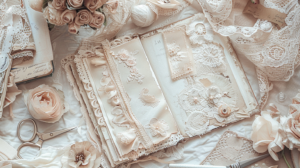
Start small and enjoy the process.
Best Themes for Beginners
Themes make the creative process easier.
Great beginner themes:
- vintage florals
- Victorian romance
- Parisian elegance
- shabby chic roses
- cottage garden
- vintage sewing room
- antique letters
These also work beautifully with printable kits.
Why Printable Kits are Perfect for Beginners
Printable junk journal kits make everything easier.
They offer:
- coordinated papers
- matching ephemera
- pockets
- tags
- covers
- embellishments
This removes the guesswork and helps beginners create cohesive journals.
If you sell kits on Etsy, this is a natural place to mention them.
Final Thoughts
Junk journaling is one of the most creative and relaxing crafts you can begin. The beauty lies in its imperfections, layered textures, and personal storytelling.
Start with simple supplies, choose a beautiful theme, and allow yourself to experiment.
There is no wrong way to create a junk journal.
New to the terminology? Be sure to read our Ultimate Junk Journal Glossary.