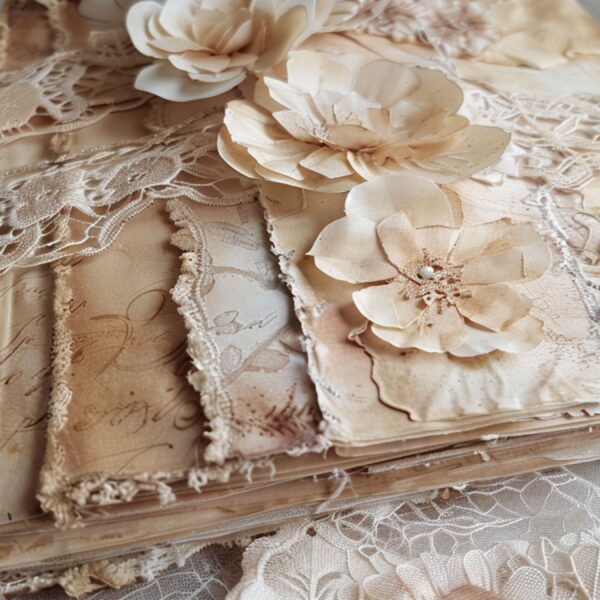
If you love the soft vintage look of old letters, antique book pages, and timeworn ephemera, learning how to tea dye and coffee stain paper is one of the best junk journal techniques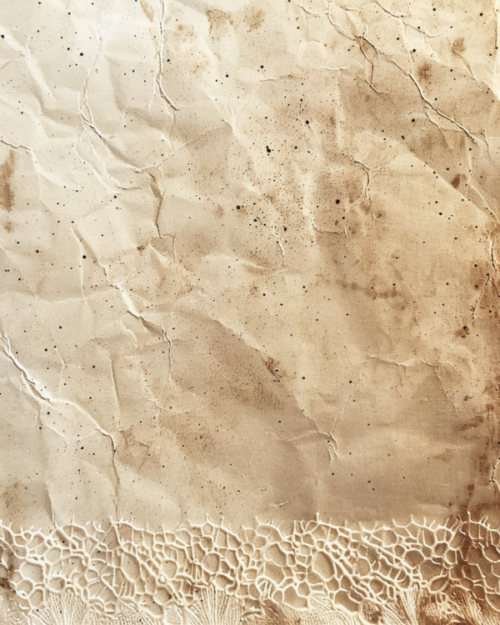 you can master.
This simple process transforms plain white paper into beautifully aged paper perfect for:
- junk journals
- vintage crafts
- ephemera
- scrapbooking
- mixed media projects
- printable journal kits
In this tutorial, you’ll learn exactly how to tea dye and coffee stain paper step-by-step, including drying methods, baking tips, common mistakes, and how to get those gorgeous dark vintage effects.
What Is Tea Dyed or Coffee Stained Paper?
Tea dyeing and coffee staining are techniques used to age paper naturally using brewed tea or coffee.
The result is:
- warm vintage tones
- distressed textures
- wrinkled antique appearance
- authentic old-paper character
Tea generally creates:
- softer golden tones
- subtle aging
- delicate vintage effects
Coffee usually creates:
- darker brown tones
- stronger staining
- rustic antique effects
Both are beautiful for shabby chic and vintage junk journals.
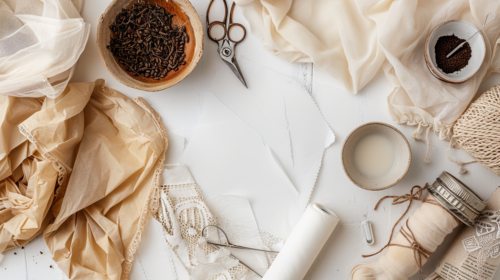 Supplies You’ll Need
The good news? You probably already have most of these supplies at home.
Basic Supplies
- White printer paper
- Cardstock (optional)
- Black tea bags OR instant coffee
- Large bowl or baking tray
- Warm water
- Spoon
- Baking sheet
- Towels or paper towels
Optional Supplies
- Cinnamon (for speckling)
- Vanilla extract (for scent)
- Spray bottle
- Rubber gloves
- Distress ink
- Crumpled paper for texture
Tea Dyeing Paper Tutorial (Step-by-Step)
Step 1: Brew Strong Tea
Boil water and steep:
- 4–6 black tea bags
for about: - 10–15 minutes
The darker the tea, the darker the paper will become.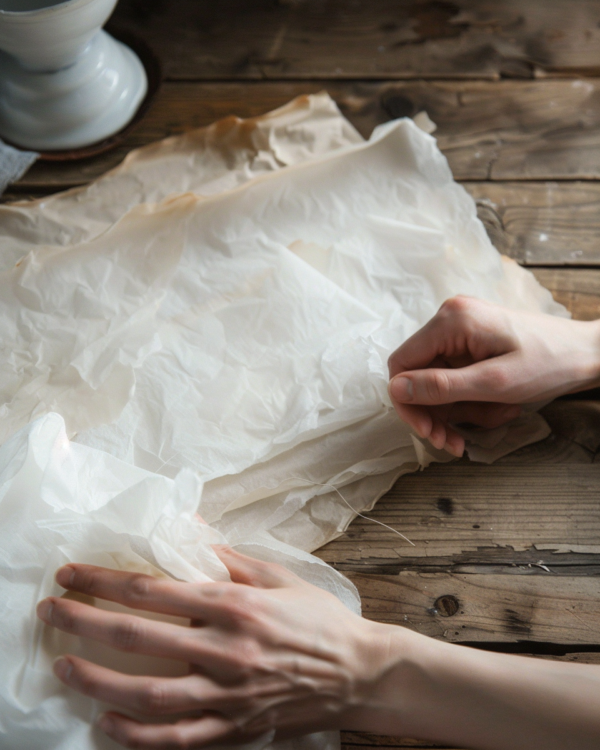
For best results:
- use black tea
- avoid herbal teas
Step 2: Prepare Your Paper
Lightly crumple the paper first if you want:
- wrinkles
- texture
- aged creases
Flatten it gently before staining.
This creates a more authentic antique appearance.
Step 3: Soak or Brush the Tea Onto Paper
You have two methods:
Full Soak Method
Place paper into the tea mixture completely.
Leave for:
- 1–5 minutes
Longer soaking creates darker tones.
Brush-On Method
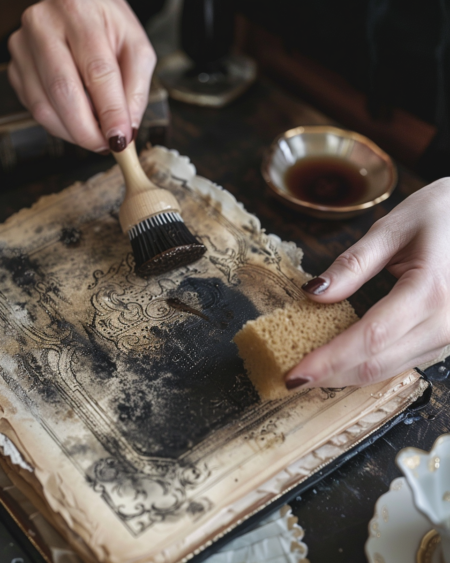
Use a sponge or brush for:
- uneven staining
- soft gradients
- distressed effects
This method gives more artistic control.
Step 4: Add Vintage Texture (Optional)
 While wet, sprinkle:
- coffee granules
- cinnamon
- extra tea drops
These create:
- speckles
- darker aging spots
- antique marks
You can also press:
- lace
- leaves
- paper towels
onto wet paper for texture impressions.
Step 5: Dry the Paper
You have 3 main drying options.
Air Drying
Lay paper flat on towels.
Pros:
- natural wrinkles
- softer texture
Cons:
- takes longer
Oven Drying (Most Popular)
Place paper on baking sheets.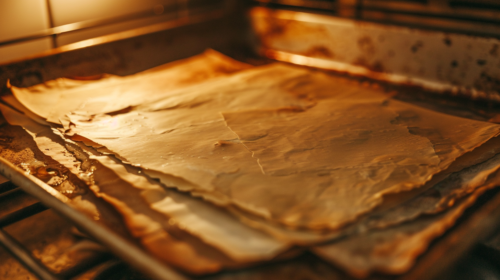
Bake at:
- 175°F–200°F (80°C–95°C)
for:
- 5–10 minutes
Watch carefully to avoid burning.
This creates:
- curled edges
- beautiful wrinkles
- darker vintage effects
Heat Tool Drying
Good for:
- small areas
- quick drying
- texture control
⚠️ Important Safety Tips
Never leave paper unattended in the oven.
Avoid:
- temperatures above 200°F
- open flames
- overheating thin paper
Always monitor closely.
Want the vintage look without the mess? My printable ephemera and paper packs are pre-aged and ready to print. Browse the Honey Bloom shop →
Coffee Staining Paper Tutorial
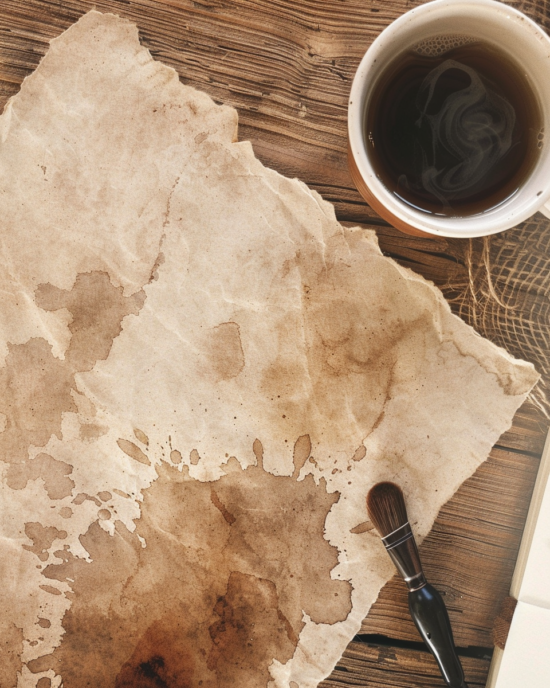 Coffee staining follows almost the same process, but creates richer brown tones.
Step 1: Mix Strong Coffee
Use:
- instant coffee
OR - very strong brewed coffee
For darker paper:
- add extra coffee granules directly to water
Step 2: Apply to Paper
You can:
- soak
- brush
- splatter
- spray
Coffee often creates:
- darker edges
- more dramatic staining
- rustic antique effects
How to Get Darker Vintage Effects
Want deeply aged antique paper?
Try:
- double staining
- longer soaking
- oven baking
- adding instant coffee granules directly
- crumpling paper more aggressively
You can also ink edges afterward using distress ink.
Common Beginner Mistakes
Using Weak Tea or Coffee
Weak mixtures create barely visible results.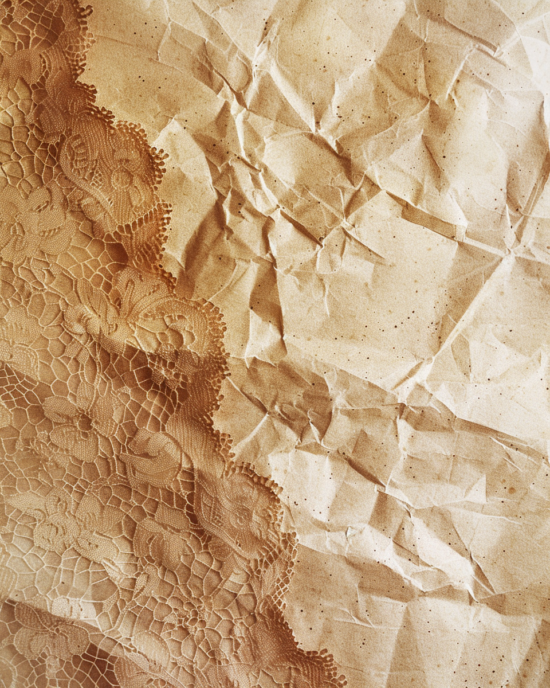
Over-Soaking Thin Paper
Very wet paper may tear easily.
Handle gently.
Baking Too Hot
High heat can scorch or burn paper quickly.
Low and slow is best.
Not Protecting Work Surfaces
Tea and coffee stain tables too!
Use trays or towels underneath.
Best Papers for Tea & Coffee Dyeing
Excellent choices:
- printer paper
- cotton paper
- cardstock
- book pages
- watercolor paper
Avoid:
- glossy paper
- heavily coated paper
These resist staining.
Creative Ways to Use Tea Dyed Paper
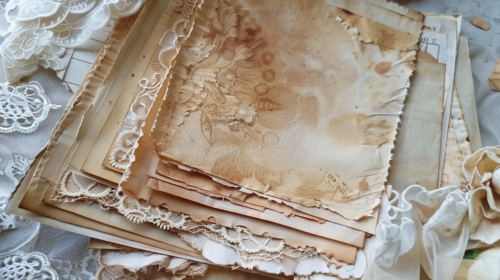 Use your vintage papers for:
- junk journal pages
- envelopes
- tags
- pockets
- ephemera
- writing paper
- vintage backgrounds
- layered collages
Tea dyed paper instantly adds warmth and authenticity to journals.
Final Thoughts
Tea dyeing and coffee staining paper is one of the easiest and most satisfying junk journal techniques for beginners. Every sheet turns out slightly different, which adds to the handmade charm and vintage beauty.
Experiment with:
- soaking times
- textures
- wrinkles
- baking methods
There’s no perfect result—and that’s exactly what makes junk journaling so special.
New to Junk Journaling? Check out our comprehensive supplies list.